Yungang Grottoes

In the ancient period, the Yungang Grottoes was known as Wuzhoushan Grottoes which are located about 16 km west of the city of Datong in the Shanxi province. These grottoes are carved at the base of the Wuzhou Shan Mountains in the valley of the Shi River. Like other grottoes, Yungang grottoes are also excellent examples of rock-cut architecture. It is believed that the antique Buddha statues and cave itself were built at 5th and 6th centuries. Regarding the number of the caves, there are 53 major caves along with 1100 minor caves and 51,00 niches which house the same number of Buddha statues.
Brief History and statues of Yungang Grottoes

When the Northern Wei Dynasty controlled the northern parts of China, after the decline of the Jin Dynasty, they made the city of Pingcheng, present day - Datong, as their capital. Therefore the construction work was increased a lot. As it is written that Northern Wei Dynasty adopted Buddhism as their state religion, gradually Buddhism was spread to surrounding as well. The Northern Wei Dynasty had a chance to know about the Buddhism only because of the North Silk Road, the northernmost route of about 2600 km in the length. This road connects the ancient Chinese capital of Xi'an to the west over the Wushao Ling Pass to Wuwei and emerging in Kashgar before linking to ancient Parthia. It is recorded that the site was completed in three successive phases.
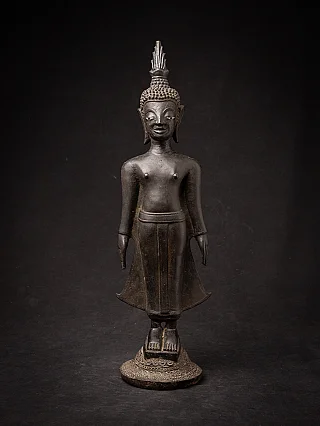
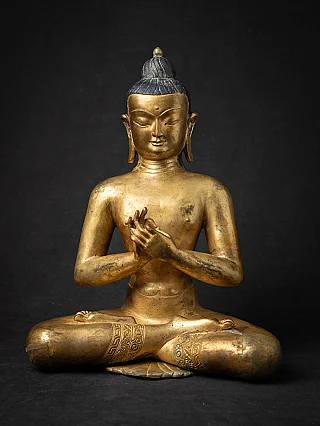
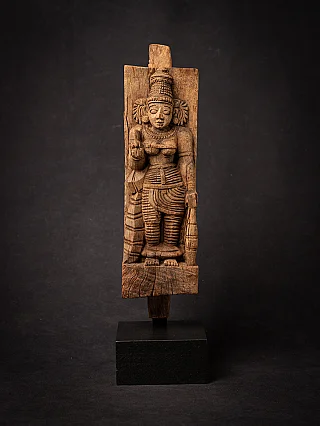
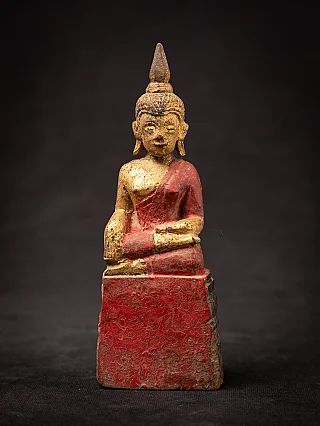
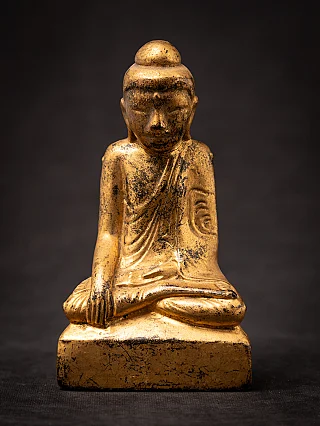
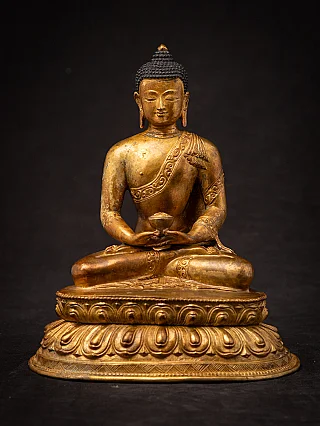
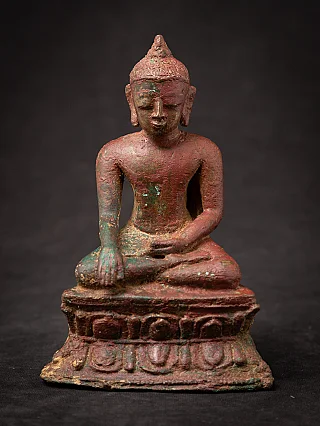
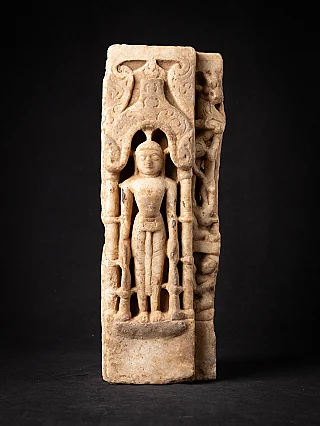
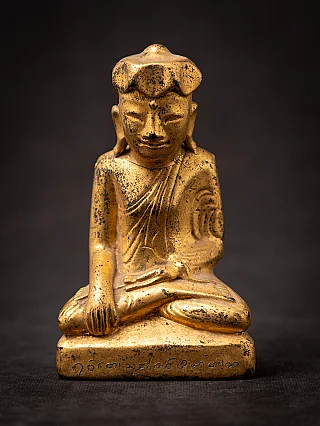
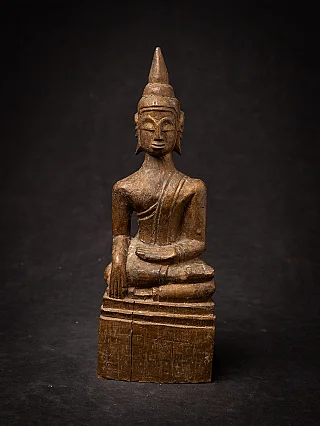
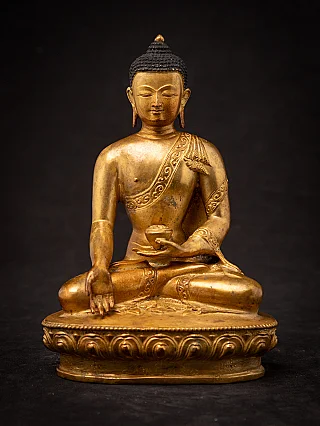
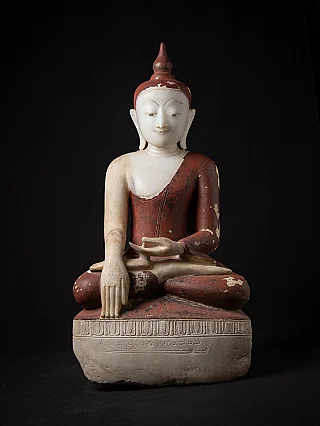
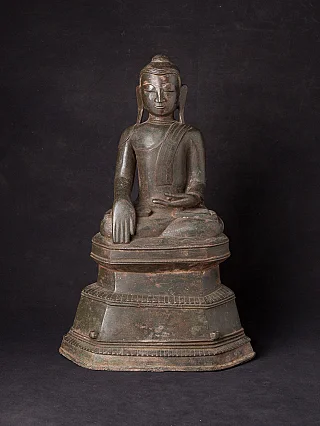
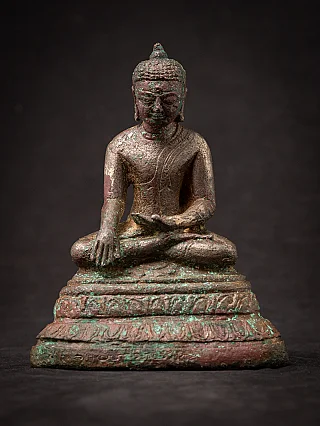
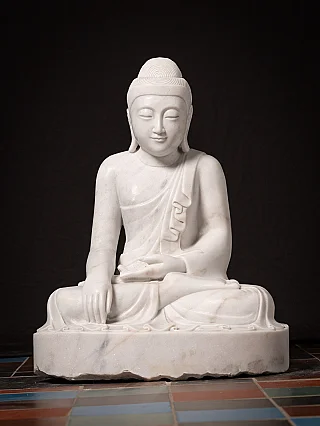
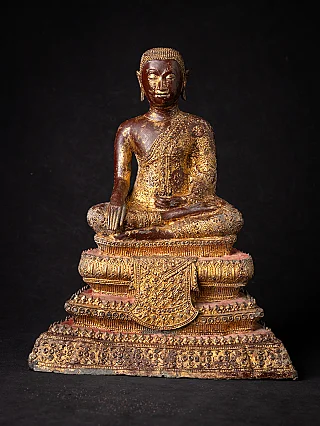
We have lovely pieces of Buddha statues in our catalog
The first phase was started at around 460 CE and lasted till the year 465 CE. The construction of the second phase was started at around the year 471 CE and lasted till 494 CE. In the second phase, the twin caves 5/6, 7/8, and 9/10 and also the caves which were numbered as the caves 11, 13, 14 were constructed under supervision and support of the imperial court. This phase of construction of the Yungang Grottoes is also called the golden stage of the Yungang Grottoes. The construction of the third phase was supported by private patronage. The construction period of the third phase lasted until 525. The caves that were constructed during the third phase were mainly done in the west of cave 10, 4, 14, 15 and 11. The caves 16-20 is known as the Tan Yao Cave.
The Yungang Grottoes can be divided into three parts - eastern, central, western- according to the placement of the Grotto. The eastern one is focused mainly on the building builds in the pagoda style of architecture. This part was built earlier than the other parts. The middle part has a chamber- front and rear- with Buddha statue in the middle of the hall. The walls and the ceilings of the grottoes are filled with relief and murals as well. The last one, western part houses medium and small sized grottoes with the statues placed inside it. The statues placed inside of these grottoes vary in size- tallest 17 m to shortest few centimeters in height. Some of the statues found in these grottoes still have their original colors and the statue has the graceful facial expression with bright piercing eyes.
Deterioration

Yungang Grottoes has been there for more than 1500 yrs. From the day of its construction, many of the grottoes are exposed to the open air. Therefore, the site is open to vulnerable to various forms of pollution from the industrial city of Datong and deterioration as well. It is not to forget that the site is also near to the Gobi Desert, hence the storms from the deserts can damage the statues to some extent. Therefore the cave was preserved and repaired at several times. During Liao Dynasty, the caves were renewed and at the same time 10 temples of Yungang was also build from 1049-1060 CE. The main purpose of the construction was to protect the main caves. But the temples were destroyed due to fire after 60 yrs. of construction.
Alongside of the conservation of the Yungang Grottoes, the sites was made a UNESCO World Heritage Site in 2001. As UNESCO mentions, the site is a masterpiece of early Chinese Buddhist cave art and these arts represents the successful fusion of Buddhist religious symbolic art from south and central Asia with Chinese cultural traditions.
Share this page